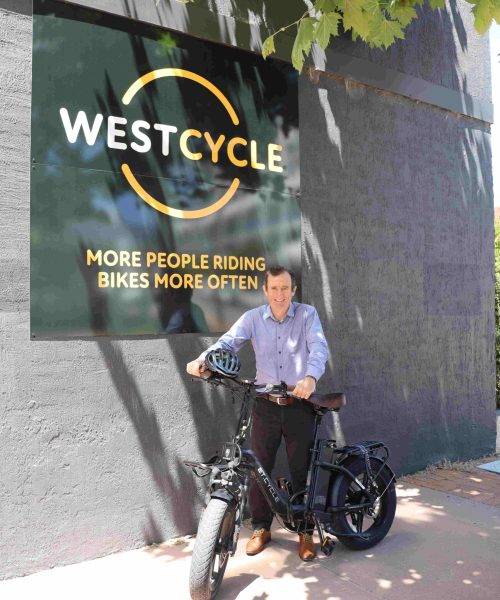
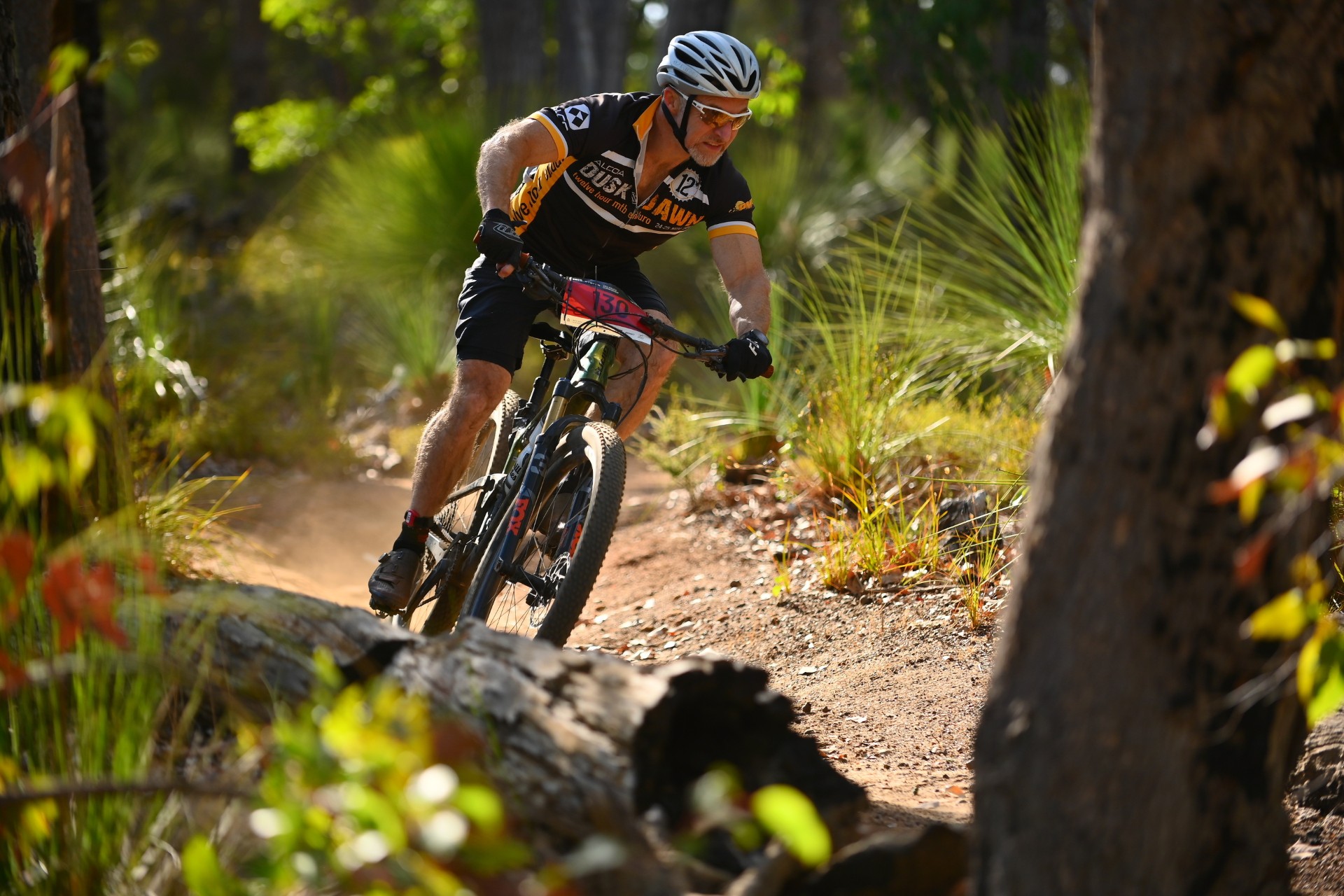
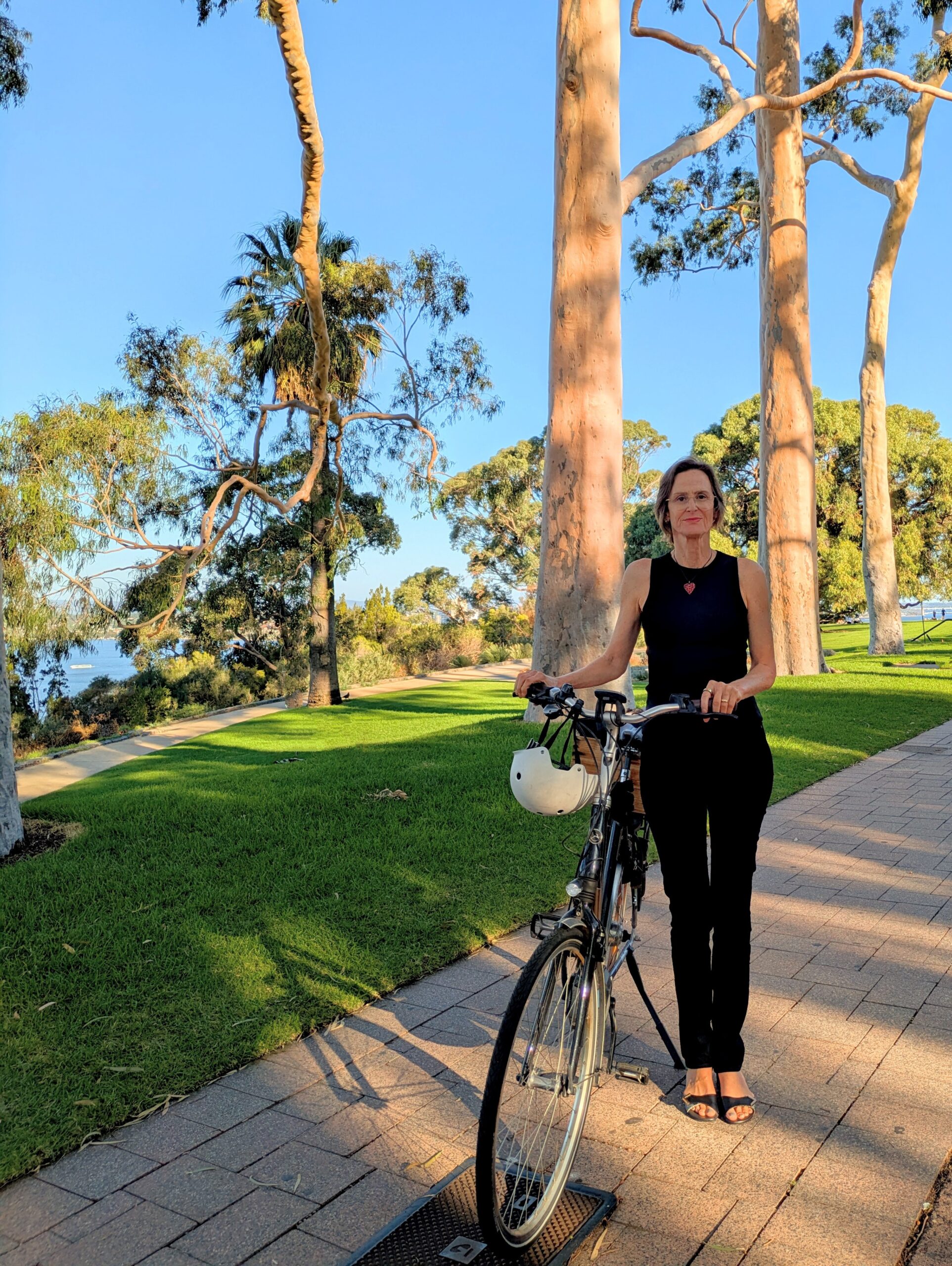
WestCycle CEO Wayne Bradshaw was there representing people who ride bikes at the recent Road Safety Roundtable hosted by the WA Government to address the rising road toll.

Many government agencies were in attendance, but the focus was on industry representatives, those with real life experiences and workers at the coal face.
The brief was to bring innovative and practical ideas to the table. Already some announcements have been made and more are likely as ideas are investigated. We can’t know what will happen with our input, but it was important we were there representing bike riders at the highest level of government in our State.
Given the number of parties in attendance, there was only a couple of minutes for each to put forward ideas.
Incorporating input from WestCycle members who contributed ideas (thank you!), WestCycle addressed some of the bigger bike riding issues and provided some general safety innovations. Because of the time constraints, some of the ideas will be taken up with the government at a later date.
We therefore raised the following points:
Designing safer roads and regulations
Neighbourhood design that focuses on making streets and communities safer for kids, pedestrians and cyclists. Prioritise community connection not speed of movement.
How do we achieve change?
- Rethink roundabouts. They are proven to be more dangerous for pedestrians and cyclists, yet are still promoted and funded, despite AustRoads advising they are less safe.
- Strict liability – rather than the person on the bike proving the driver is at fault, the driver must prove the person on the bike is at fault. This places more responsibility on the driver. We regularly see ‘driver versus rider’ incidents, often with minimal consequences for the driver.
- Reducing speed was a common theme that we supported.
Rethinking roads: How many cars can we sustain?
Every road traffic death is a tragedy but we need a more holistic approach to make real road safety gains – we need to reduce the number of cars on the road.
With projected 60% population growth over the next 20 years – do we want more cars, more accidents, more pollution?
How do we achieve change?
- Implementing an active transport vision and plan to guide government and the community.
- KPIs across government to deliver on the vision.
- Appointing an Active Transport Parliamentary Secretary.
- Working towards appointing a Commissioner for Future Generations as per Wales where active transport change has been significant.
More kids riding bikes
Educating young people about bike riding and providing safe spaces for them to ride is the key to a longer term cultural shift.
How do we achieve change?
- Make schools safe spaces and embed road safety and a positive bike riding and driving culture in school curricula.
- Teach kids to ride bikes just as they would take swimming lessons. Kids who ride bikes have better ‘street awareness’.
- Expand safe school zones:
- Make them 24-hour controlled speed zones.
- Reduce speeds around schools.
- Better infrastructure including street signage and school bike parking facilities.
- Safe routes to schools.
- Better driver training and behaviour – using advanced simulation techniques so kids become better driving adults.
Decentralise: Empowering the regions
Existing decision making tends to follow ‘head office or State-led strategies’. A regional strategy that turns this funding approach on its head can stimulate local solutions.
How do we achieve change?
- Fund regional communities to develop their own strategies and solutions, and thus increase local buy-in based on common goals.
- The key is trusting and empowering local communities to develop strategies and actions and self-reporting mechanisms.
We welcome all input in this process. Contact WestCycle at info@westcycle.org.au to share your view.