where can i ride my e-scooter?

Knowing where it’s legal to ride your eRideable can be confusing. We’ve compiled some examples of street types and paths to help you.

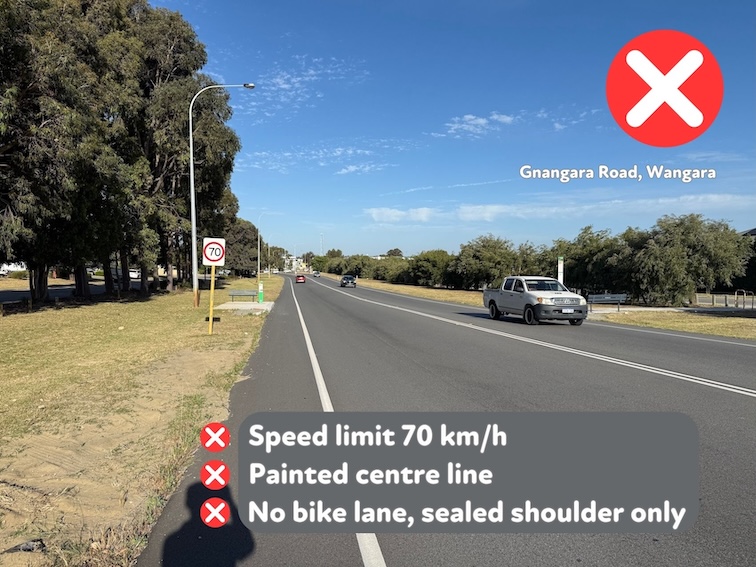
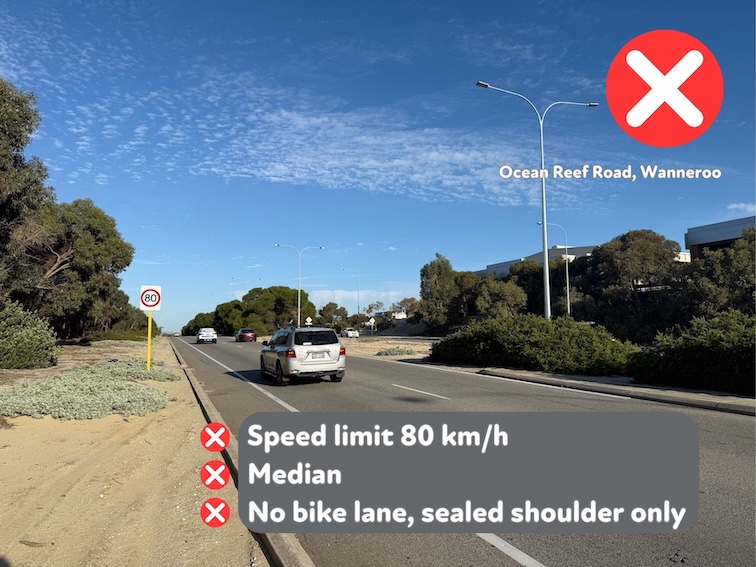
high speed roads 70 km/h +

It’s illegal to ride on any road with a speed limit of 60 km/h or above.
Even if you can’t see a speed sign, the central line marking indicates it’s a no-riding road. 

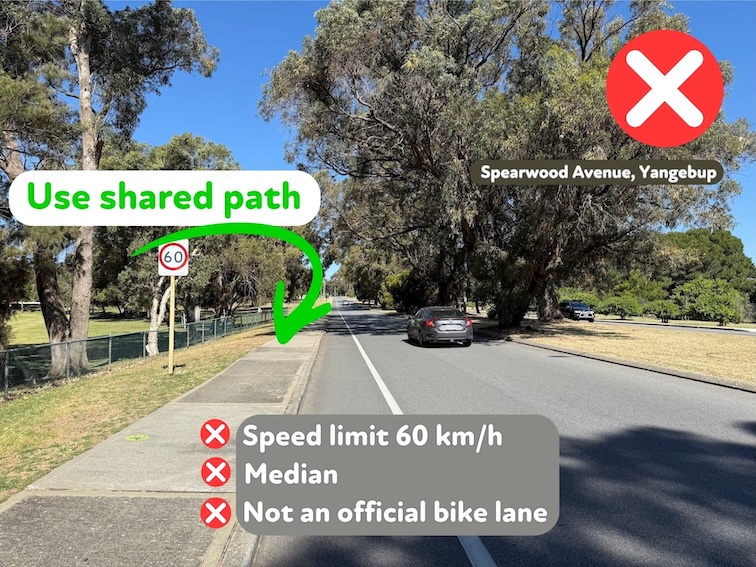
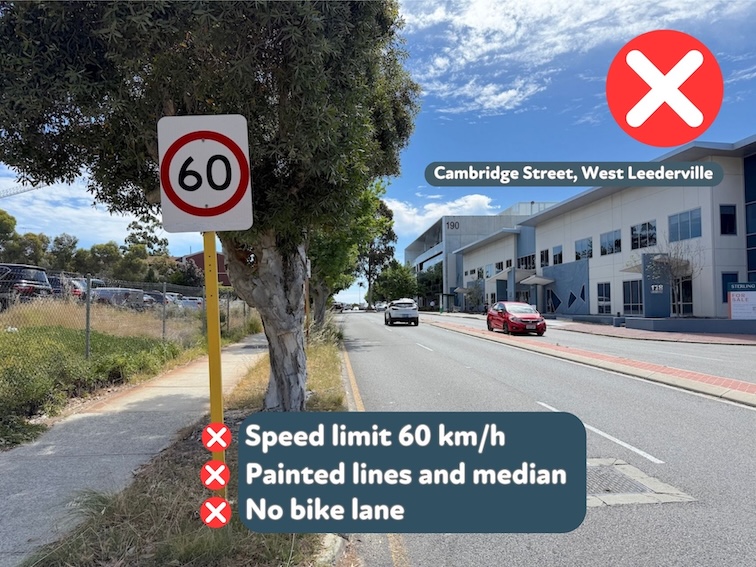
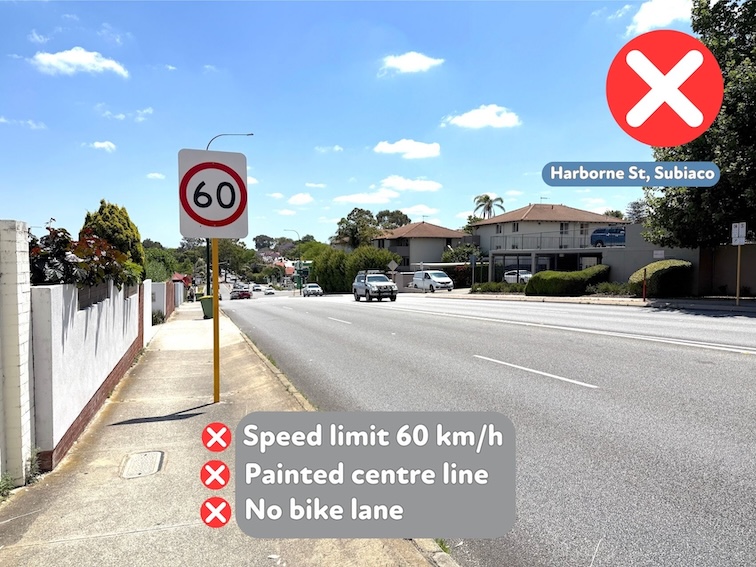
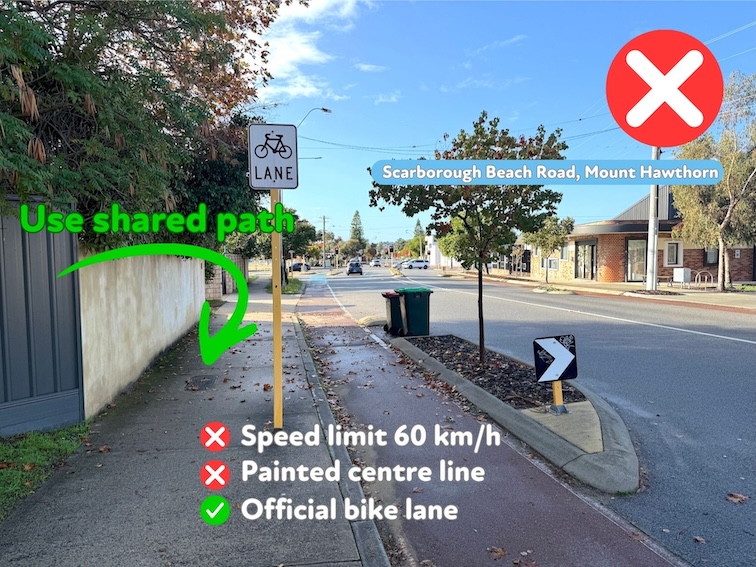
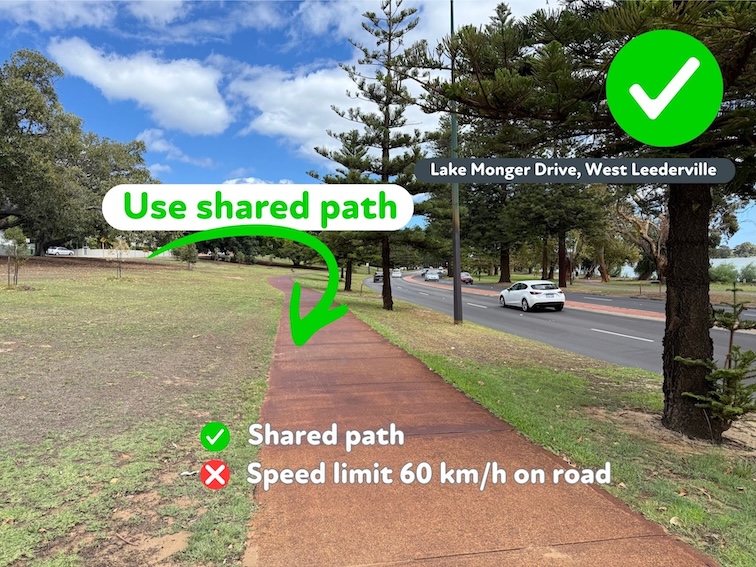
60 km/h roads

It’s illegal to ride on any street with a speed limit of 60 km/h. Even if there’s an official bike lane, it’s illegal to ride on it.
Usually you’ll see a shared path on the side where riding is permitted, but remember to always give way to pedestrians.

50 km/h streets with median

If you see a median, it’s illegal to ride on the street unless there’s an official bike lane.
If there’s no bike lane, use the path on the side.
Remember, in Western Australia all footpaths became shared paths after April 2016 when the footpath riding law was amended to give all people a safer riding option.

50 km/h streets with centre lines

If you can see a centre line, it’s illegal to ride on the street unless there’s an official bike lane.

If the street has a path on the side it’s OK to ride there but remember to give way to pedestrians.

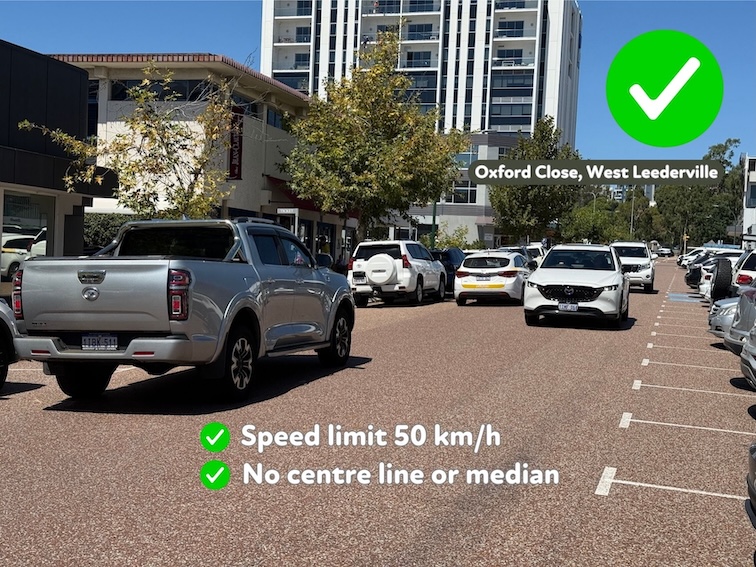
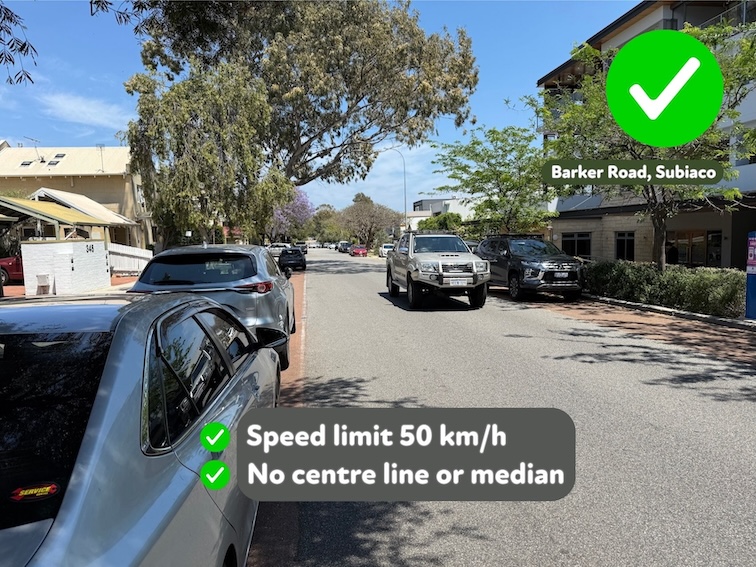
50 KM/H STREETS WITH NO LINES

On streets with a speed limit up to 50 km/h WITHOUT painted centre lines or a median, it’s OK to ride on the street.
WestCycle has advocated to permit eRideables to travel on all 50km/h streets.

40 km/h streets

Streets with 40 km/h speed limits have the same rules as 50 km/h streets.
If there are painted centres lines or median, no riding on the street. If there’s an official bike lane, it’s OK to ride in the lane.

30 km/h streets

Streets with 30 km/h speed limits also have the same rules as 50 km/h streets. If there are painted centres lines or median, it’s illegal to ride on the street.
Ride on the path and give way to pedestrians.

shared paths

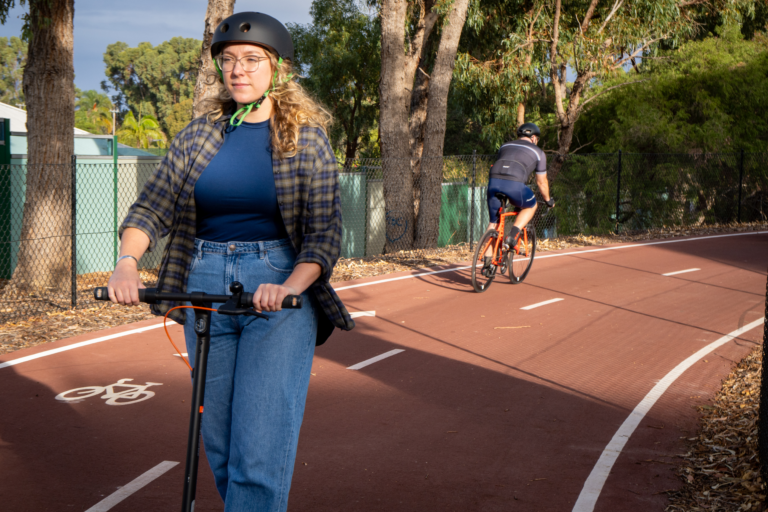
Shared paths have a range of widths and materials. Principal Shared Paths (PSPs) are wide and smooth. They’re designed for high traffic volume and suitable for speeds up to 25 km/h.
Be careful on the older, narrow paths and ride to suit the conditions. Beware of hidden driveways and shop doorways.
Slow down to 10 km/h when near pedestrians.
On all shared paths, people using eRideables and bikes must give way to pedestrians.
In Western Australia, all footpaths became shared paths after April 2016 when the footpath riding law was amended to give all people a safer riding option.

pedestrian malls

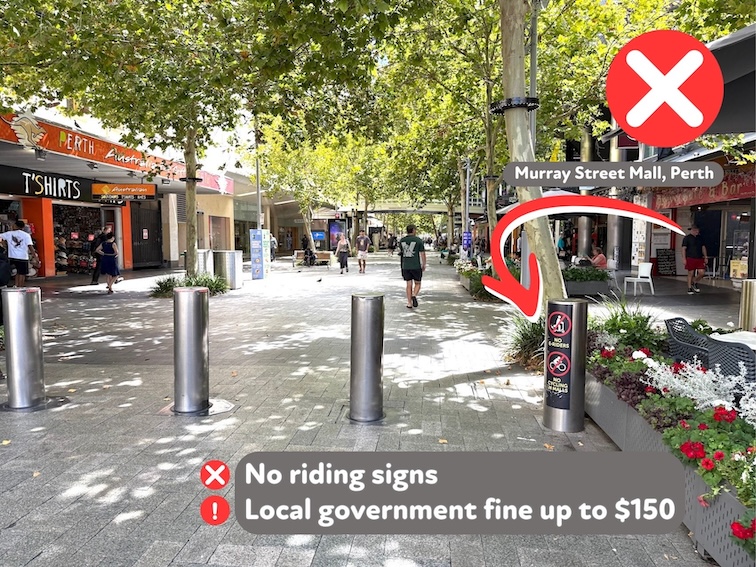
Some pedestrian areas are no-ride zones. Look for signs as you enter.

MURRAY STREET MALL, PERTH

Pedestrian area only
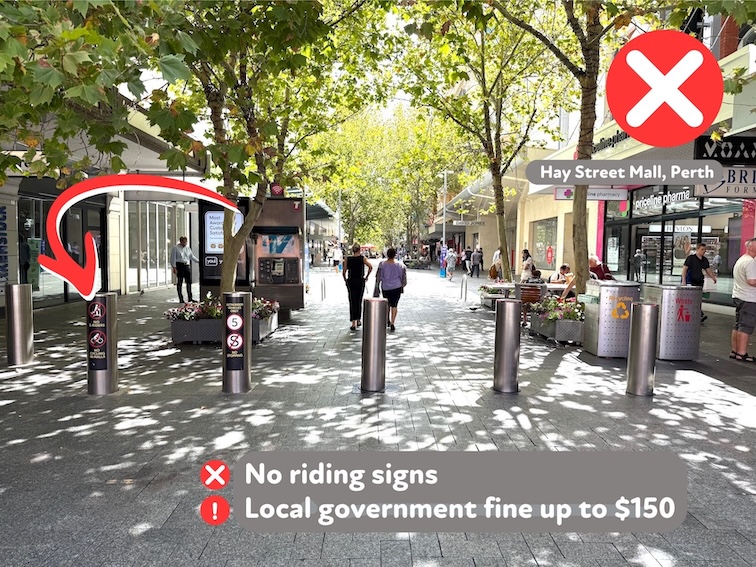
HAY STREET MALL, PERTH

Pedestrian area only
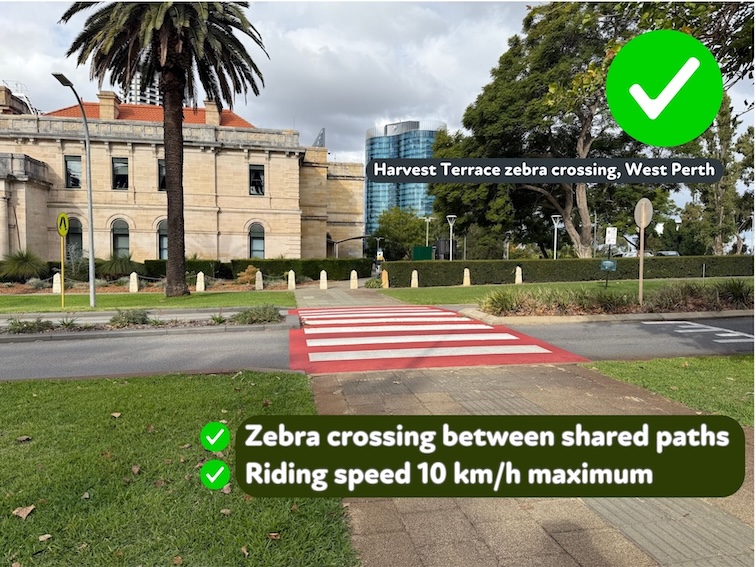
OTHER AREAS

It is now legal to ride across all zebra crossings. Ride slowly as you approach and the maximum speed on the crossing is 10 km/h.
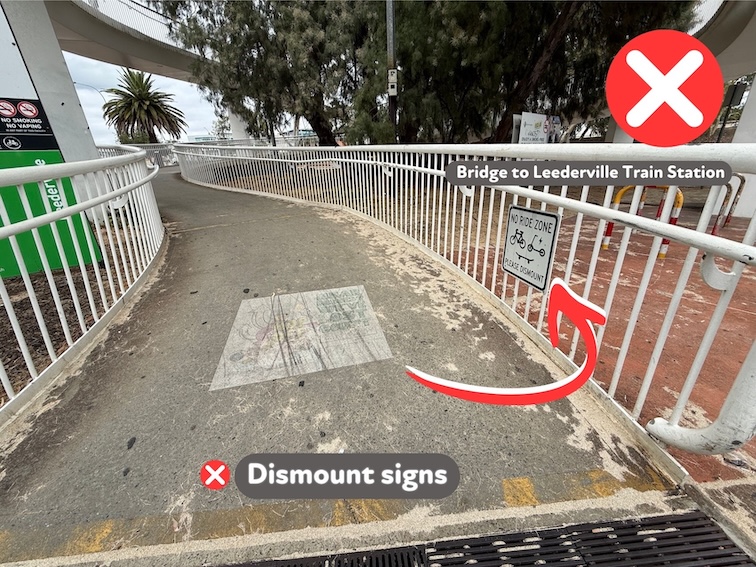
Local and State Government authorities sometimes specify dismount zones. It’s OK to enter these areas with your eRideable but no riding.

CAN WE MAKE IT EASIER?

The restriction to eRideables being ridden on streets with dividing lines and medians can be confusing. The law was introduced as a safety measure, but our streets are complex and varied. Lines and medians can be found on quiet, safe streets as well as streets with higher levels of traffic.

The Road Safety Commission’s Review of eRideable Road Rules, published in May 2025 recommended to “amend the Road Traffic Code 2000 to remove the prohibition on eRideables travelling on 50 km/h roads that have a diving line or median strip”.  WestCycle supports this recommendation.

WestCycle’s response to the Ride Safe report: 2025 Parliamentary Inquiry into eRideable and e-bike safety

WestCycle welcomes the Committee’s Ride Safe report, after it began its e-mobility safety Inquiry in June 2025 following incidents that included the high-profile death of a pedestrian who was struck by someone riding an e-scooter.

Many of the recommendations we submitted to the Inquiry were adopted, including guidelines for local governments, data sharing requirements, national standards advocacy, and expanded education programs. 

Our full response to Ride Safe and each of its 33 recommendations is here and summarised below. Our view of the government response to Ride Safe is also detailed below.

Read more here.

Tim Roach (Chair)

Elected Director | Off Road

Tim has been in senior leadership and strategic development roles for more than 20 years and is currently a project risk consultant, and a part time academic at Edith Cowan University.

He is a past Director of Executive Education in the School of Business and Law at Edith Cowan University and Assistant Commissioner and General Manager in the public service. He is an Accountant (FCPA) and previously sat on the Divisional Council of CPA Australia. Tim has been involved in racing mountain bikes, BMX and triathlon for many years, both as a father of two children who race and as a past and current bike racer.

Helen Sadler (Deputy Chair)

Independent Director

Helen is a Town of Cottesloe councillor and is the current Chair of WestCycle’s Transport Advisory Group.

A medical doctor, Helen is a strong active transport advocate with a focus on health outcomes and social well-being.